





First things first, real skin has texture, pigmentation, lumps and bumps; and that’s what makes it wonderfully unique. One scroll through social media shows airbrushed celebrities and influencers using filters as the norm – but that isn’t real life.
If your skin doesn’t look like that, that’s completely normal. We’ve discussed skin positivity before and why we believe skin neutrality is the best approach. But we want you to know that if you’ve ever looked in the mirror and noticed patches of dullness, uneven colors, or skin that feels a little rough in places, you’re absolutely not alone.
Uneven skin tone and texture are something most of us will experience at different points in life. Your skin is an organ that responds to stress, hormones, weather, and your lifestyle. So rather than trying to “fix” it or make it look a certain way, we should be supporting your skin so it functions at its best.
What is uneven skin tone?
Uneven skin tone really just means any variation in color or brightness across your skin, particularly on your face. This might show up on your skin as darker patches, redness, post-blemish marks that don’t fade, or areas that appear dull compared to the rest of your complexion.
Inflammation, dehydration, and a compromised skin barrier can all impact how light reflects off the skin, which is why tone can look patchy even if there are only some subtle color differences in your skin.
It’s important to remember that everyone’s version of “even skin” looks different. Skin tone naturally varies across different parts of your face, and that variation isn’t a flaw; it’s simply skin doing its job.
What causes uneven skin texture?
Uneven skin texture describes how your skin feels, rather than how it looks. If you have uneven skin texture, you might notice rough patches, areas that feel bumpy, or skin that doesn’t feel as smooth as usual.
Common contributors include:
- A buildup of dead skin cells.
- Dry and dehydrated skin.
- A weakened skin barrier.
- Previous congestion or breakouts, leaving scarring.
- Our bodies produce less elastin as we age.
Texture can also change from week to week (even day to day) depending on stress levels, weather, hormones, and how much love you’re showing your skin.
Uneven skin tone vs uneven skin texture: what’s the difference?
While they often show up together, uneven tone and uneven texture aren’t the same thing.
- Uneven skin tone affects color, brightness, and overall luminosity
- Uneven skin texture affects smoothness and surface feel
They’re closely linked because both are influenced by hydration, inflammation, and skin barrier health. Supporting the skin barrier is one of the most effective ways to improve the appearance of both, without the need for aggressive treatments.
A realistic approach to uneven skin
A lot of people look for fast results when it comes to uneven skin, making them buy into treatments online. In reality, the most effective approach to caring for uneven skin texture and tone is consistent, gentle care over time.
Many aggressive treatments rely on over-exfoliation or using strong actives too frequently. Not only does this disrupt the skin barrier, but it also leads to more inflammation, dehydration, and (ironically) more unevenness.
A better, more sustainable approach to looking after uneven skin focuses on:
- Mild exfoliation that supports natural cell turnover.
- Daily hydration to maintain skin comfort and smoothness.
- Barrier-supporting ingredients that help skin recover and function properly.
Visible improvements may take weeks, not days. But for lasting impact, supporting your skin consistently is far more effective than chasing instant brightness.
When caring for uneven skin tone and uneven skin texture, the most effective approach isn’t adding more steps; it’s choosing the right ingredients and using them consistently in your routine.
1. Gentle cleanse (morning and evening)
Cleansing removes excess oil, pollution, and SPF from your skin. But using a harsh cleanser can strip your skin and worsen unevenness by disrupting the skin barrier. When the barrier is compromised, inflammation increases, and this can make uneven skin tone look more pronounced.
To support your skin barrier, look for cleansers containing ingredients such as:
- Glycerin – a humectant that draws water into the skin.
- Aloe vera – helps soothe visible redness.
- Mild, non-foaming surfactants.
Product Pick: Our gentle Cleansing Face Milk is formulated using upcycled oat powder from the food and drink industry, as well as aloe vera and glycerin. This milky, creamy formula hydrates and nourishes the skin while calming inflammation.
2. Exfoliate thoughtfully (2–3 evenings per week)
Uneven skin texture is often linked to dead skin cell build-up. Using a natural exfoliator helps smooth rough patches and improve luminosity, but overdoing it can create more unevenness.
Our Face Scrub with Coffee + Rosehip Oil is formulated with top-quality Arabica coffee grounds upcycled from artisan coffee shops. Multi-award-winning, this scrub buffs away dry, dead cells to leave your skin feeling soft, smooth, and glowy.
Formulated with shea butter to nourish the skin post-scrub, and antiseptic and anti-inflammatory orange oil, which works to soothe redness and irritation.
Here, consistency matters more than intensity. If your skin feels tight or overly sensitive, reduce how often you exfoliate.
3. Include antioxidants
Antioxidants are really important when it comes to uneven skin tone because they help reduce oxidative stress, which contributes to dullness and pigmentation over time. They enhance your natural glow while hydrating and strengthening your skin barrier.
Look for serums and creams with:
- Vitamin C to support a brighter, more even-looking complexion.
- Coffee extract, which is rich in polyphenols that help defend against environmental stressors.
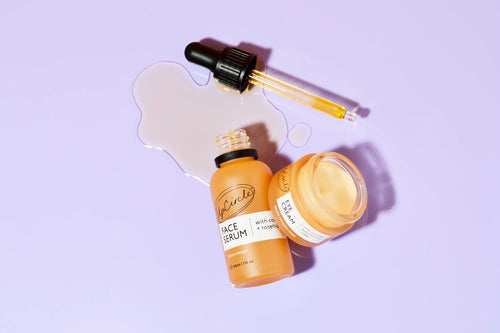
Product Pick: Our Peptide Serum with Custard Apple + Blood Orange helps to regenerate skin and heal scars. Packed with niacinamide, vitamin C, and custard apple, this serum is not only great at hydrating the skin, but it also contains antioxidants, boosts collagen production and soothes skin irritations.
4. Hydrate
Hydration plays a bigger role in uneven skin texture than many realize. When skin loses water through increased transepidermal water loss (TEWL), it can look dull and feel rough.
Choose moisturizers which include:
- Hyaluronic acid – binds water to the skin.
- Ceramides – help reinforce the lipid barrier.
- Squalane or argan oil – replenish essential lipids.
- Shea butter – supports long-lasting moisture.
Product Pick: Our Face Moisturizer with Vitamin E is deeply hydrating and fast-absorbing. Suitable for all skin types, this cream is formulated with vitamin E-rich argan powder, skin-soothing cocoa butter, aloe vera and blood orange.
Healthy skin isn’t flawless skin
Uneven skin tone and uneven skin texture don’t mean your skin is “bad” or neglected. They’re signs of a living organ responding to the world around it.
Healthy skin isn’t perfectly even – and it doesn’t need to be. The aim is balance, resilience, and comfort. With thoughtful formulations, realistic expectations, and barrier-friendly care, your skin can look and feel its best, without chasing perfection.
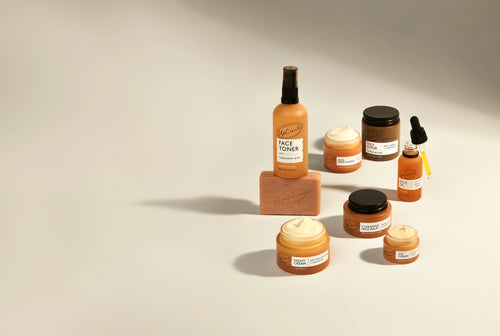
See our full collection of natural skincare.